What We Do

Services

Every job below starts with the base, because that's what decides how the finished concrete holds up.

Home › Services

Everything we take on

Every job below is one we do ourselves across Brentwood.

Concrete Driveways

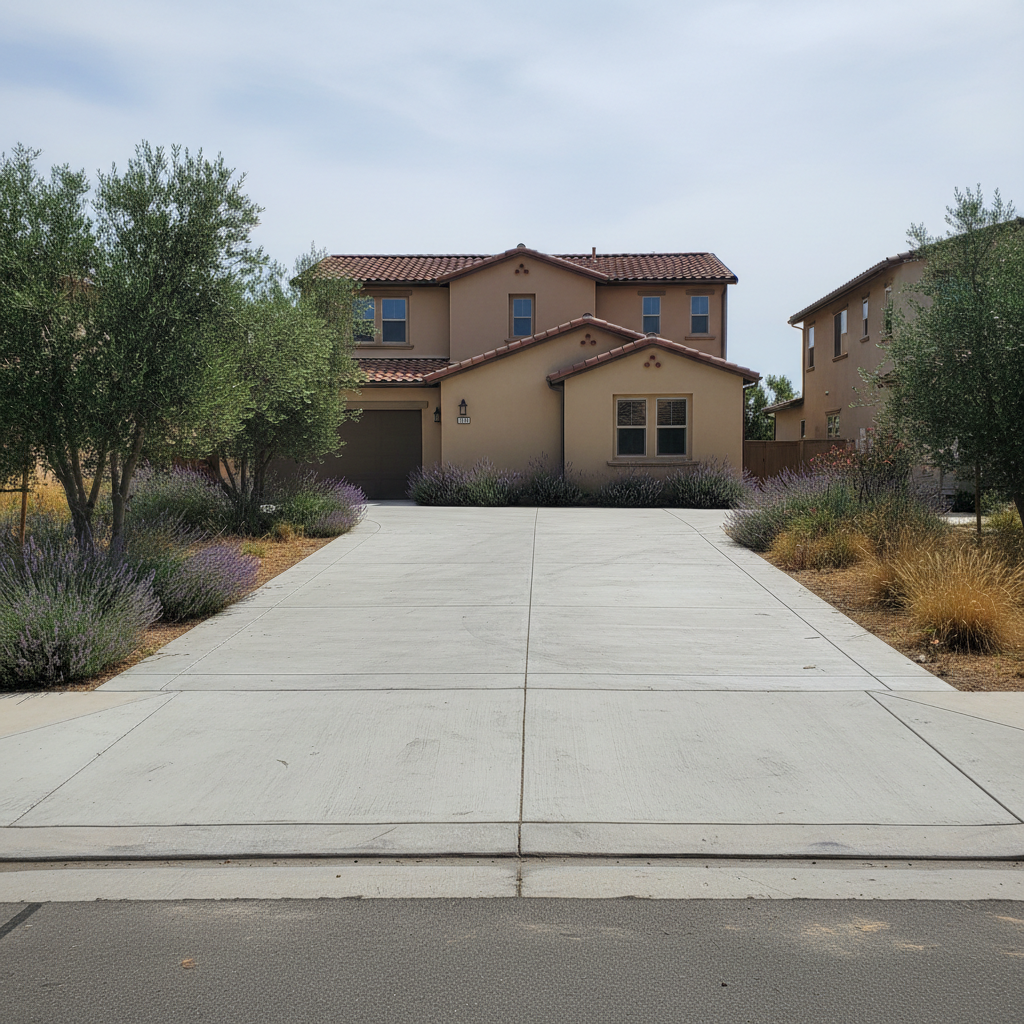
We excavate, compact a gravel base and pour driveways thick enough to carry vehicle weight without flexing. Reinforcement is sized to the soil and the span, not just a standard mesh grid dropped in because it's what's on the truck.

Concrete Patios

Patios get a broom, trowel, exposed aggregate or stamped finish depending on how you want the space to look and feel underfoot. We slope every patio away from the house so water runs off instead of sitting against your foundation.

Stamped Concrete

Stamped concrete gives you the look of flagstone, brick or slate at a lower cost and without joints where weeds take hold. We seal it after curing to protect the color and pattern from UV fading and surface wear.

Concrete Repair

Cracked, sunken or spalled concrete usually points to a base problem, not a concrete problem, and patching the surface without fixing that buys you a year or two at best. We cut out the affected section, correct what's underneath, and tie the new pour into the old with rebar dowels.

Concrete Slab Foundations

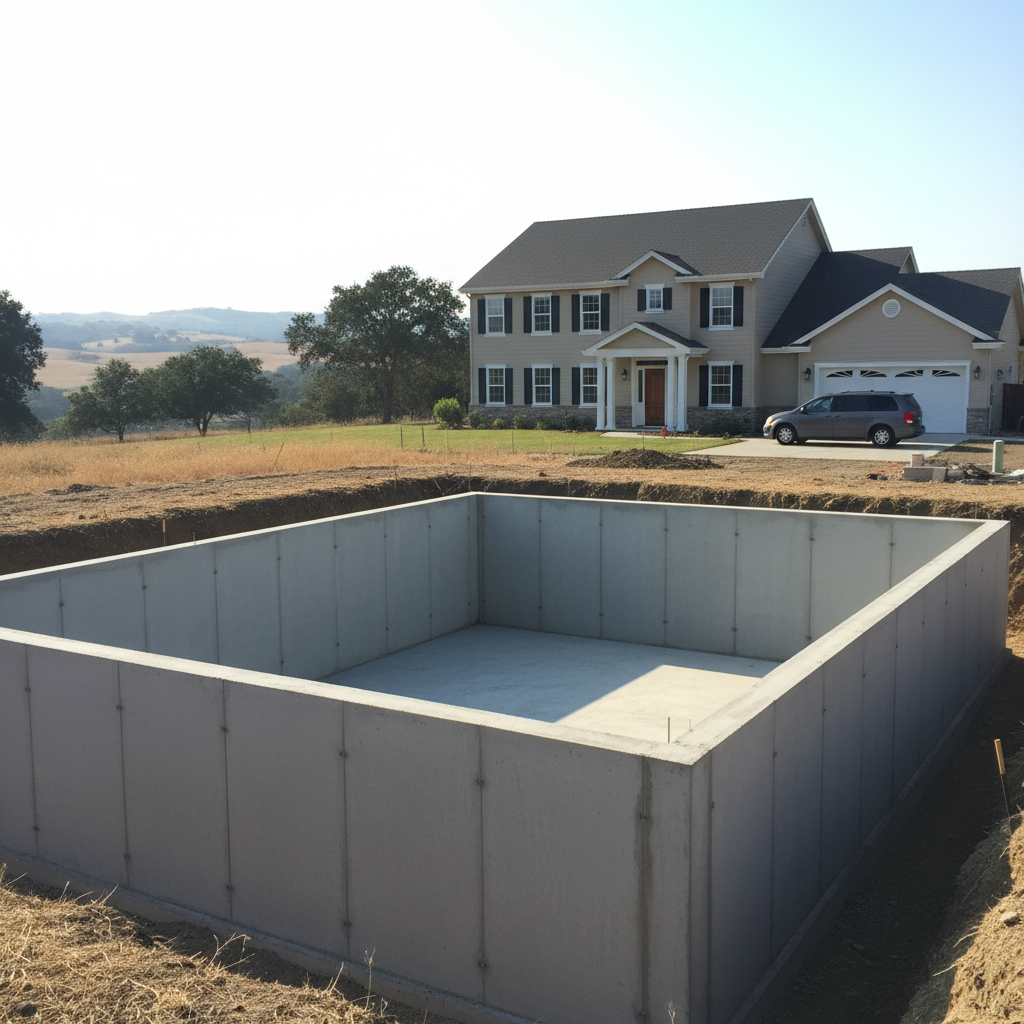
Slab foundations for sheds, garages and additions need a vapor barrier, proper rebar or post-tension cable, and a base compacted to spec before any concrete goes down. We work off the structural plans so the slab matches what's actually being built on top of it.

Concrete Sidewalks & Walkways

Walkways take a lot of foot traffic and tree root pressure over the years, so we grade the base to shed water and keep joints spaced to control where cracking happens. We also match new sections to existing city sidewalk grades where that's required.

Concrete Steps & Stairs

Steps get built to code rise and run so they're safe to use, and we broom or texture the tread surface so it's not slick when it rains.

Retaining Walls

A retaining wall holds back soil that's pushing against your yard, your foundation, or your neighbor's fence line. We size the footing and drainage behind the wall for the height and the soil pressure, because a wall that fails is almost always a drainage problem first.

Exposed Aggregate Concrete

We wash back the surface paste to expose the stone underneath for a textured, slip-resistant finish that holds up well around pools and patios. It costs more than a standard broom finish but wears better over time.

Concrete Removal & Replacement

Sometimes a slab is too far gone to patch, heaved, badly cracked, or poured on a base that was never right. We break it out, haul it off, and start over with the base done correctly this time.

How It Works

Four steps, and no surprises in any of them.

01

We come and look

You tell us what you want doing, we look at what is actually there, and we ask the awkward questions early.

02

You get a price

In writing, itemised, free. If something might add cost later we flag it now rather than at the end.

03

We do the work

Same crew throughout. We cover your floors, keep the dust down and tidy up before we leave each day.

04

We walk it with you

You point out anything you are not happy with and we fix it before the invoice, not after.

Where We Work

All of this, across Brentwood, CA

These are the cities and towns where this concrete work typically gets done.

Brentwood, CA
Stockton, CA
Concord, CA
Vallejo, CA
Fairfield, CA
Antioch, CA
Tracy, CA
San Ramon, CA
Pittsburg, CA
Walnut Creek, CA
Oakley, CA
Discovery Bay, CA
Common Questions

Things worth asking

Questions that come up once a project is actually underway.

Do I need a permit for a new driveway or patio?
A permit is usually required for a new driveway apron connecting to the street, a retaining wall over a certain height, or any slab tied to a structure's foundation. A standalone backyard patio often doesn't need one, but that depends on the city's building department.
How long does a typical concrete pour take?
Forming and prep usually take one to three days depending on size and base condition, the pour itself happens in a single day, and the slab needs about five to seven days before it can handle vehicle weight. Full cure strength takes closer to 28 days, though decorative sealing can happen sooner.
Can the design be adjusted to fit a tighter budget?
Scope can be adjusted by changing the finish, for example a plain broom finish instead of stamped concrete, or by reducing the square footage of the pour. Reinforcement and base depth are not areas to cut, since skimping there causes cracking and sinking down the road.
Do you guarantee the concrete work?
Workmanship is guaranteed against cracking or settling caused by improper installation, separate from normal shrinkage cracking that all concrete experiences at control joints. Specific terms and length of coverage get written into the quote before work begins.
Who do I deal with day to day during the project?
One point of contact handles scheduling and questions throughout a concrete project, rather than a different person answering depending on who picks up. That same person is on site for the pour and the finishing work, not just the estimate.
What kind of concrete mix and reinforcement gets used?
Mix strength typically runs 3,000 to 4,500 PSI depending on the application, with driveways needing higher strength than a basic walkway. Reinforcement is rebar, wire mesh or fiber mesh, chosen based on slab size, soil conditions and expected load.
Can I stay home while the work is being done?
Living at home during a concrete project is normal, since the work is mostly outdoors and doesn't affect utilities or interior access. The main disruption is noise from saw cutting and equipment staged in the driveway or yard for a few days.
How should I prepare the site before work starts?
Moving cars, patio furniture and anything stored in the work area ahead of time speeds up prep day and avoids delays. Sprinkler lines and underground utilities in the pour area should be flagged or disclosed during the estimate, not discovered mid-dig.
What if something unexpected turns up once digging starts?
Old broken concrete, buried debris, tree roots or unexpectedly soft soil sometimes turn up once excavation begins, and any of those can change the scope. A change order gets discussed and priced before extra work proceeds, never added to the bill afterward.
How do I take care of new concrete once it's finished?
New concrete should stay free of vehicle traffic for about a week, and sealed concrete should be resealed every two to three years to protect against staining and surface wear. Harsh chemical cleaners and deicing salts on the surface accelerate scaling and should be avoided.

Not sure what you need?

Describe the problem and we will tell you what it probably is. No obligation.
Call (209) 859-3362